Histurica
5,000 Years of Civilisation
From the Indus Valley Civilization to Mughal grandeur — explore India's UNESCO sites, royal forts, ancient temples and sacred caves with audio guides and AI heritage assistance.
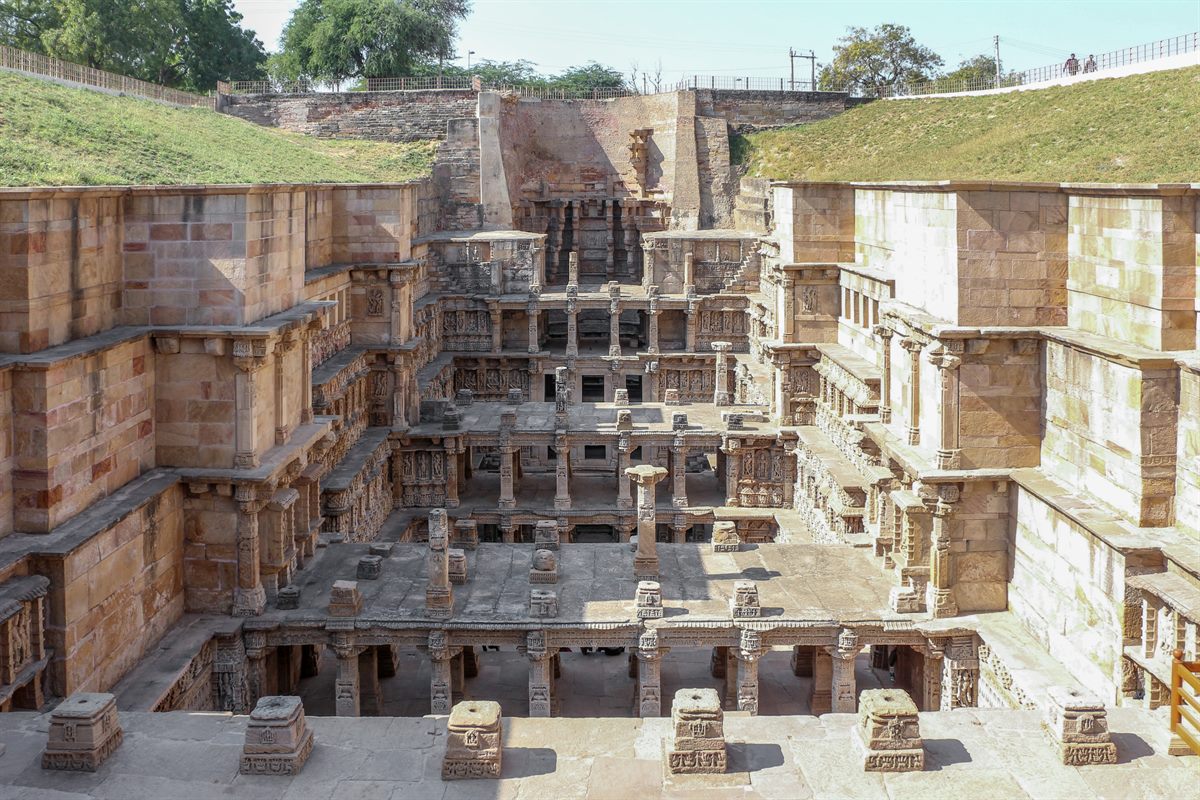
India is one of the world's oldest continuous civilizations — and one of the most mythologized. We built Histurica to separate what the Archaeological Survey of India and academic record actually support from what's simply repeated online. Every monument here traces back to a source; every AI answer cites one.
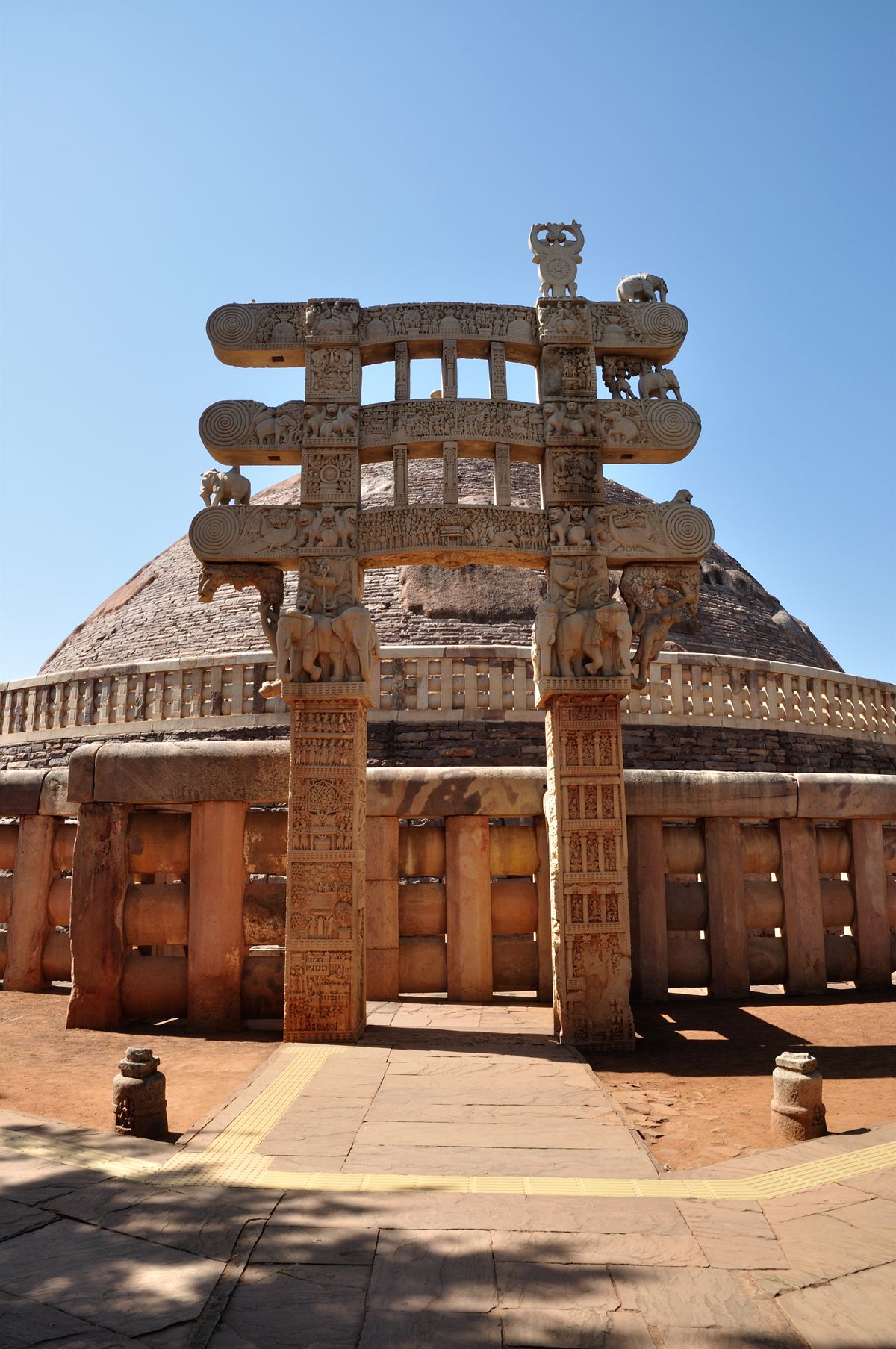
It starts with the Indus Valley Civilization (3300–1300 BCE) — planned grid cities and drainage systems that predate Rome by two millennia — through the Mauryan Empire's rock edicts, still legible after 2,300 years, to the Gupta Dynasty's Golden Age, which gave the world the mathematical zero.
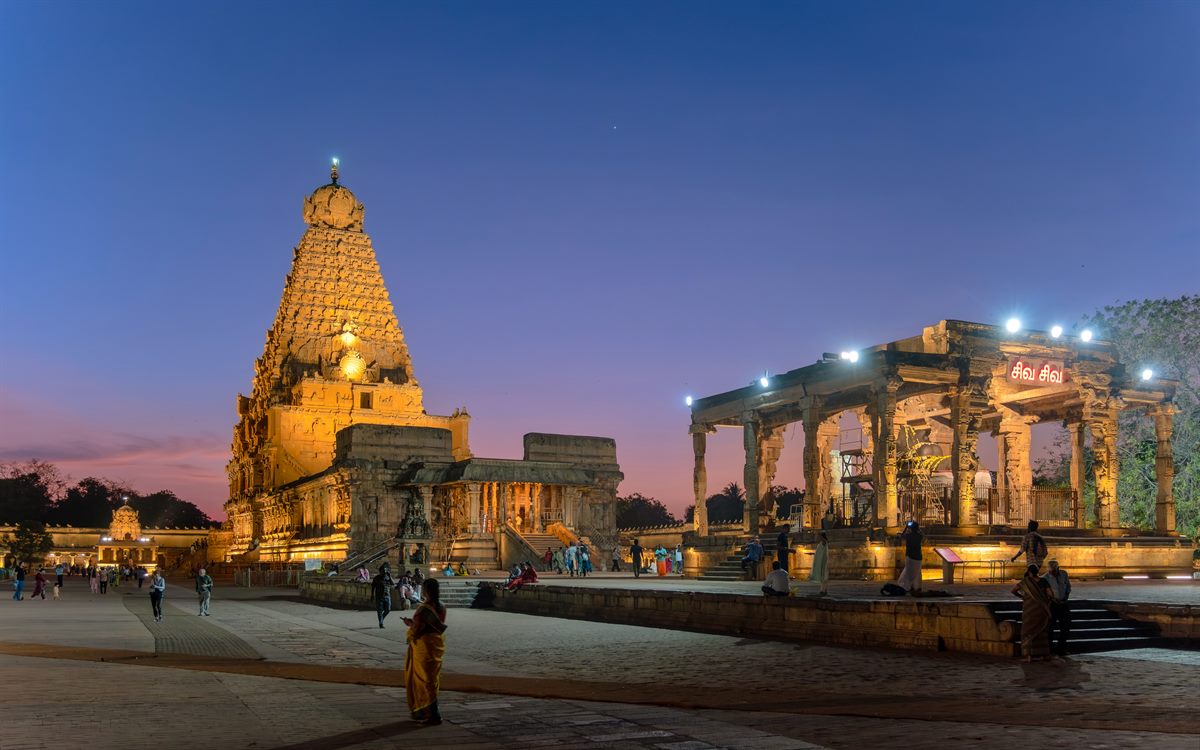
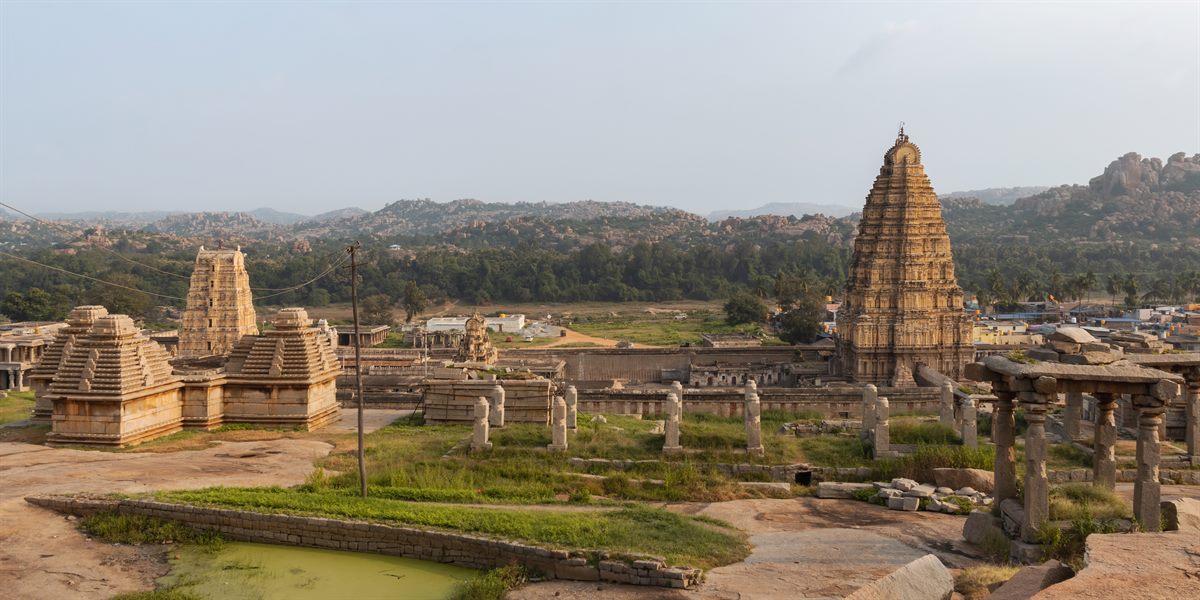
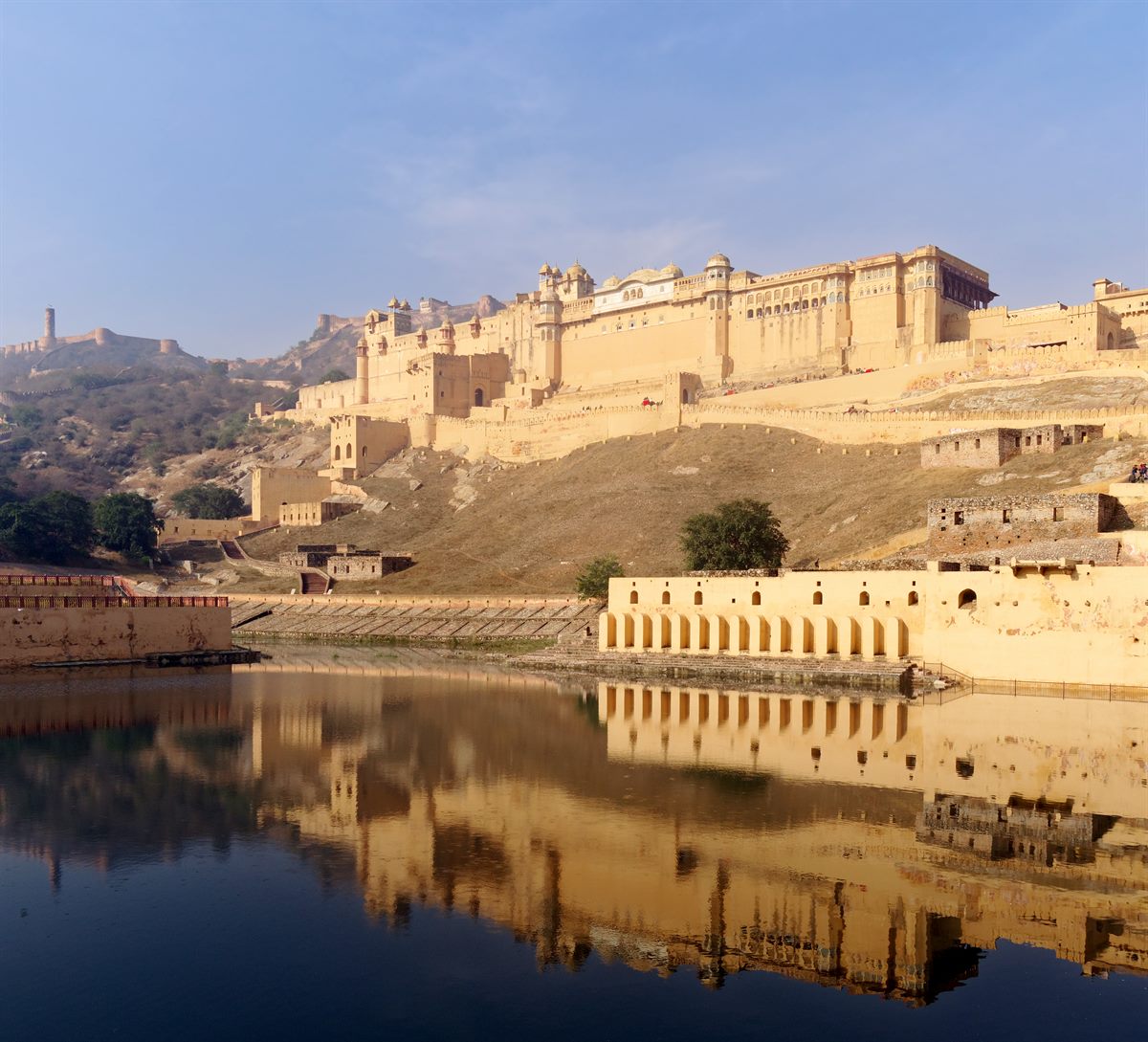
Between the 9th and 13th centuries, the Chola Dynasty raised the greatest temple complexes ever conceived — the Brihadisvara at Thanjavur with its 66-metre vimana and an 80-tonne monolithic granite capstone remains an engineering marvel to this day. Rajput kingdoms simultaneously built fort cities like Amer, Jaisalmer, and Chittorgarh — desert fortresses of extraordinary military ingenuity.


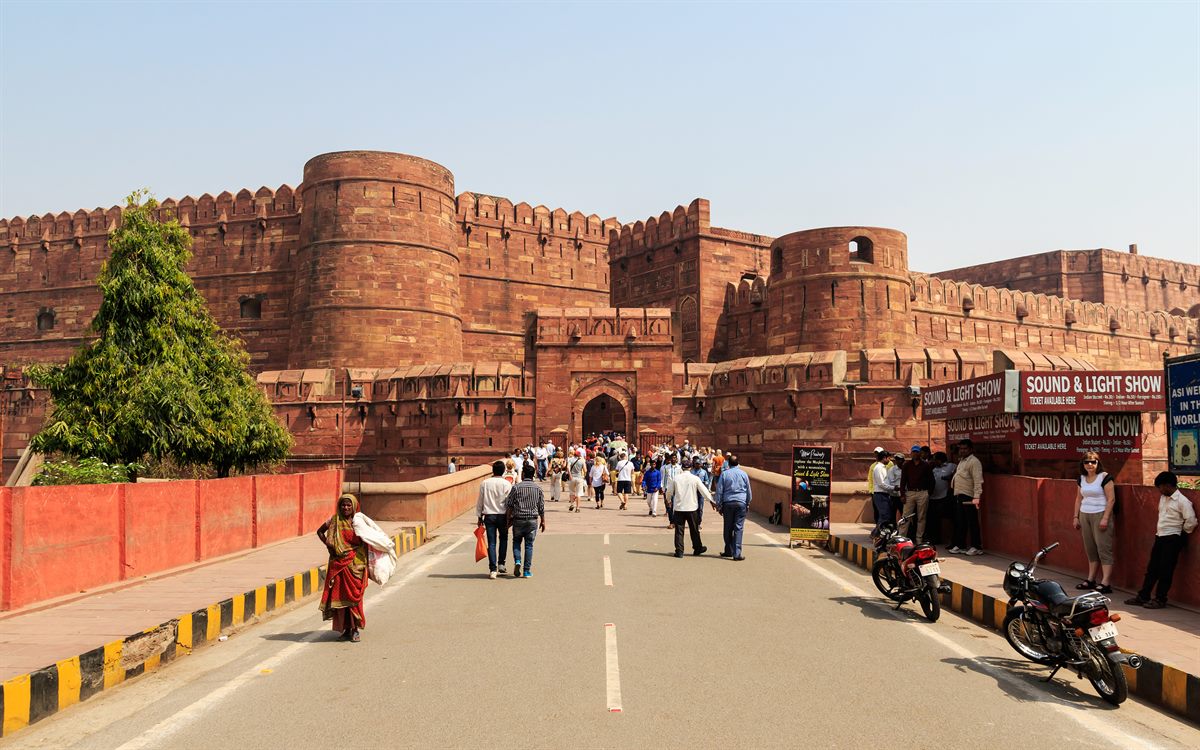
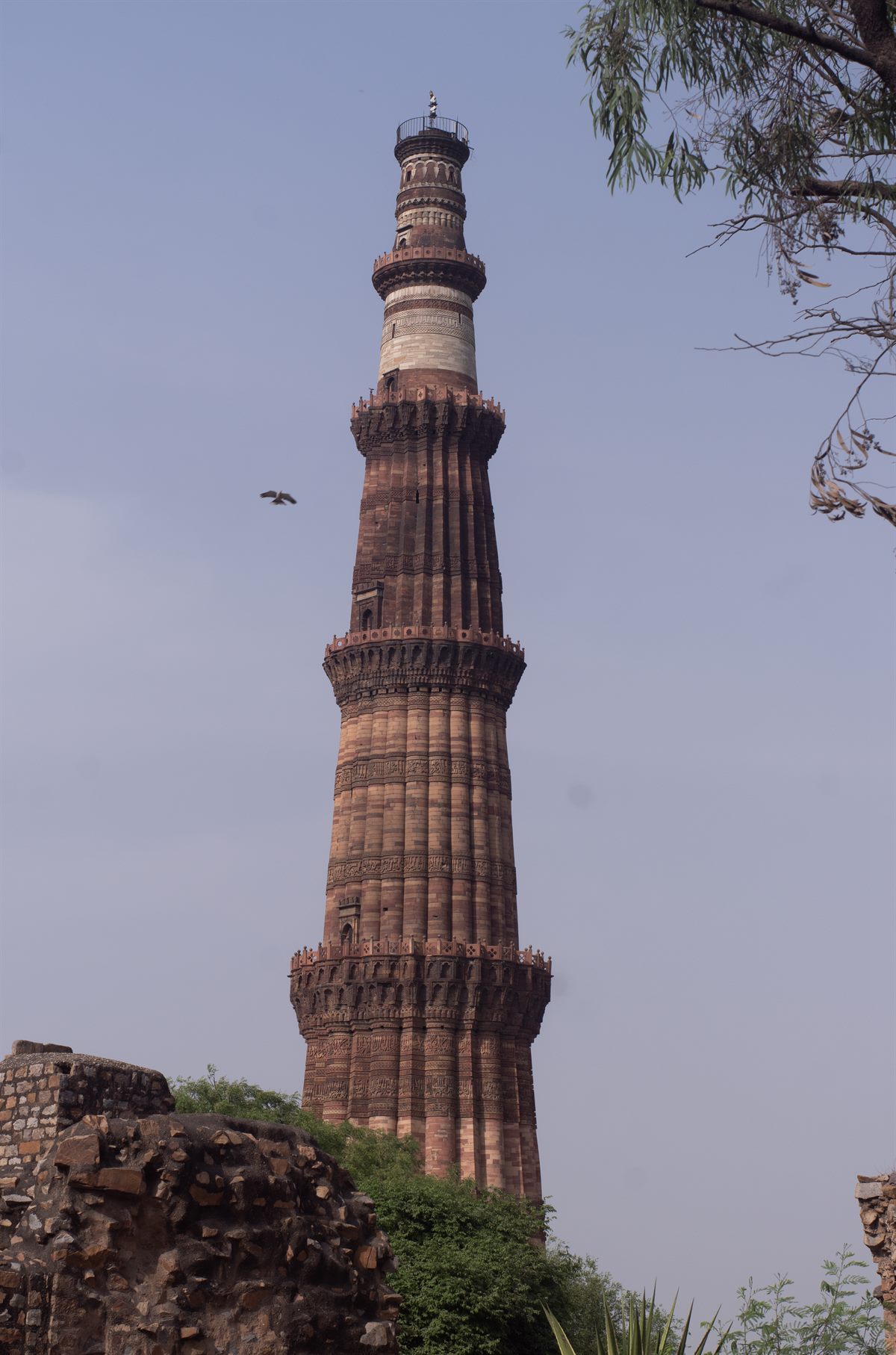
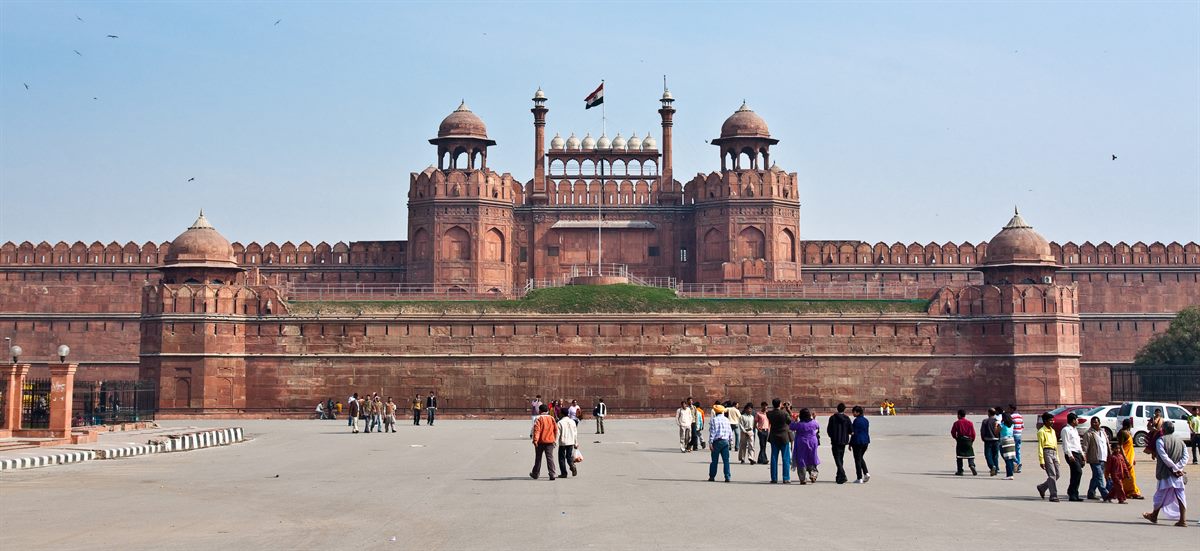
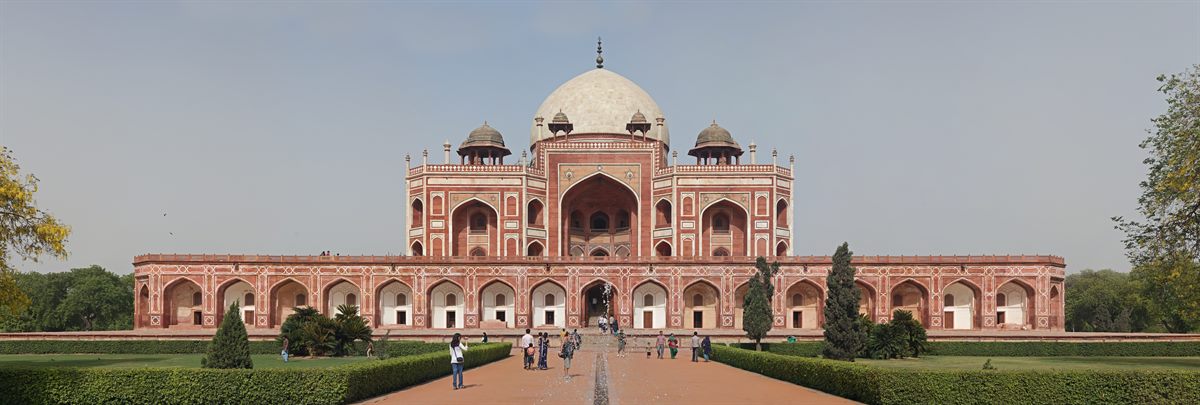
The Mughal Empire (1526–1857) fused Persian, Central Asian and Indian traditions into a timeless synthesis. Shah Jahan's Taj Mahal (1632–1653), Humayun's Tomb, the Red Fort, Qutub Minar and Fatehpur Sikri — each monument a masterpiece of inlay work, calligraphy and architectural harmony found nowhere else on Earth.
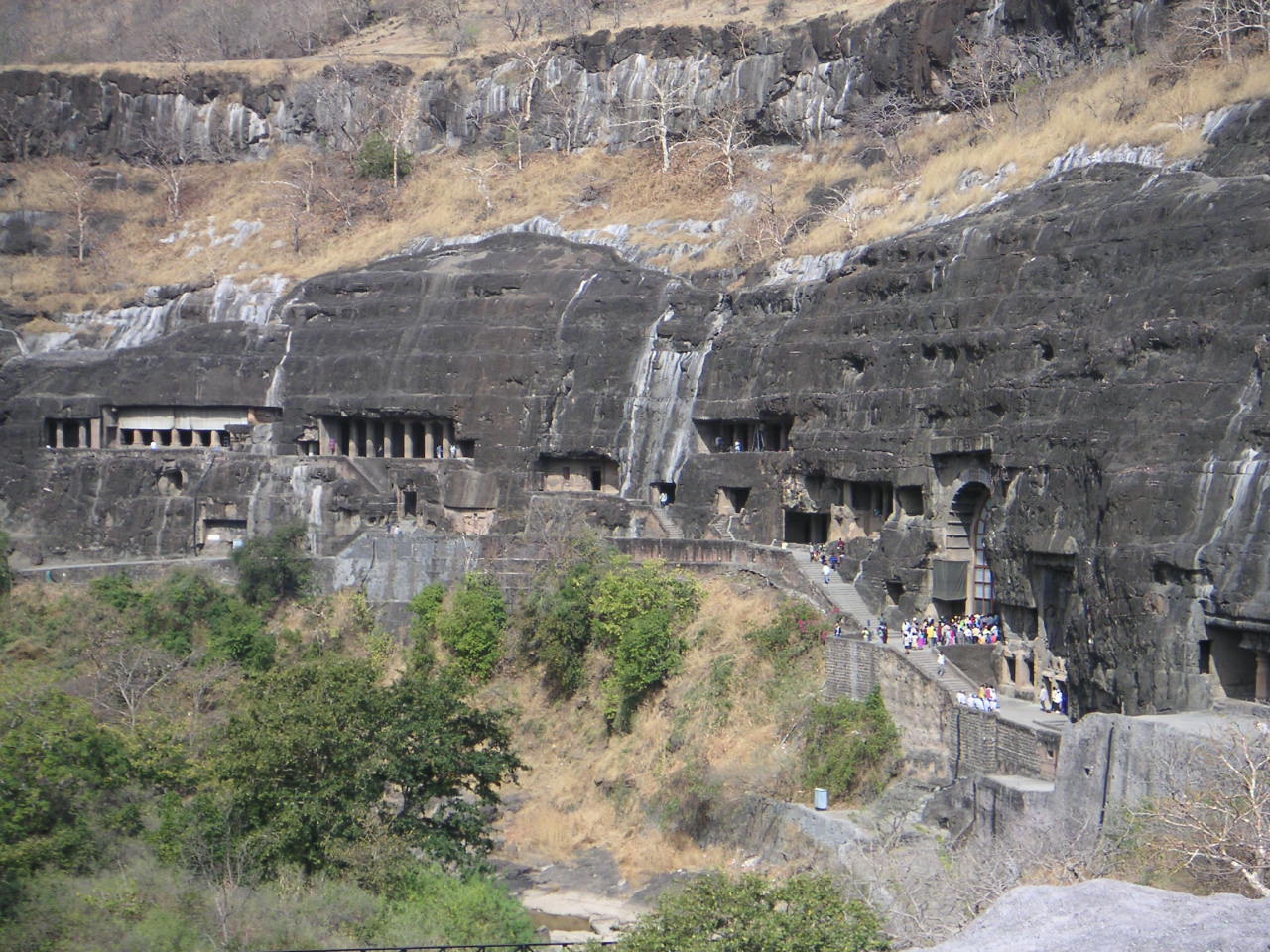
India's heritage is not a relic — it is alive and breathing. The Meenakshi Temple in Madurai draws over 15,000 worshippers daily. The Golden Temple in Amritsar serves the world's largest free community meal to 100,000 people every day. India's 43 UNESCO World Heritage Sites (35 Cultural, 7 Natural, 1 Mixed — Last verified: September 2026, Source: UNESCO WHC) span every era, every faith, every corner of this extraordinary subcontinent.
Curated architectural wonders, UNESCO World Heritage sites, and sacred sanctuaries across 5,000 years of civilization.
Dynamic real-time suggestions automatically tuned to your architectural interests and browsing telemetry.